



Finding a good service-industry job is rarely as simple as searching for a title and pressing apply. The useful opportunities are often local, schedules can change quickly, and the best information may come from people who already understand the work. Seasoned Service Industry Jobs takes that problem as its starting point, combining job discovery with a community angle rather than treating hospitality and service work like a generic office-job search.
I spent time looking at the app as a practical tool rather than as something to open once and forget. My first impression was that its value depends on how closely the available work matches your location, experience, and timing. When those three things line up, it can make a job search feel more focused. When they do not, the app becomes another place to browse listings without much progress.
Developed by Seasoned, this free social app is aimed at people looking for service-industry employment and support from a local community. It is available for users aged Teen, runs on Android devices starting with version 7.0, and its current version is 2.29.0. The app has been around since January 17, 2019, so it is not a brand-new experiment trying to attract attention for a few weeks.
From an appealing first week to a useful routine
Why the first sessions feel focused
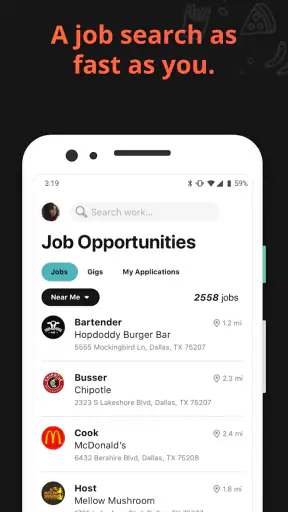
The strongest part of the initial experience is the app’s specific audience. A general job board asks you to filter through office roles, retail positions, delivery work, temporary jobs, and countless listings that have little to do with restaurant, hospitality, or other service experience. Seasoned Service Jobs starts from a narrower understanding of the kind of work its users are likely seeking.
That focus matters when you are between jobs, looking for extra shifts, or trying to move from one service role to another without explaining your entire background to an unrelated platform. I found the concept more useful than a broad search engine when the goal was to stay inside the service world. Someone who already knows the rhythm of customer-facing work can spend less time translating their experience into generic search terms.
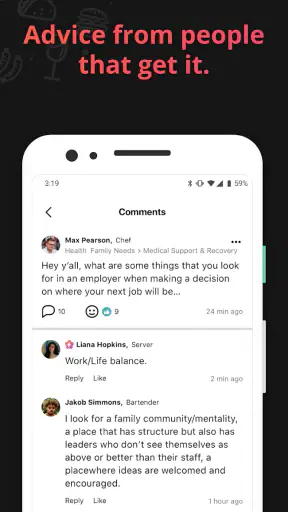
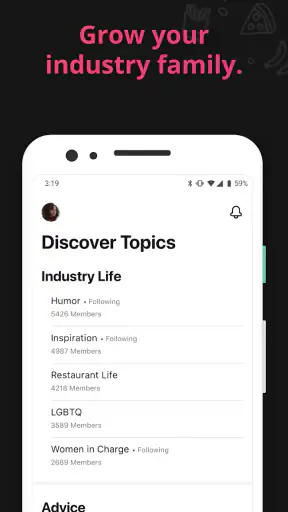
The community element is equally important. A listing alone tells you that a position exists; a local professional network can add context about the workplace, the type of role, or the expectations people in that area commonly face. I would not treat community discussion as a substitute for checking an employer carefully, but it can help you notice patterns that a polished listing may not show.
A realistic use case is a server whose restaurant has reduced hours unexpectedly. Instead of rebuilding a résumé for a broad employment site, that person can use a service-focused app to look for nearby opportunities while staying connected to people who understand split shifts, busy seasons, tip-based income, and the practical differences between front-of-house and back-of-house work. The benefit is not just speed; it is reduced friction at a stressful moment.
What to do during the first week
I would begin with a narrow search rather than opening every possible opportunity. Decide whether you want a full-time position, part-time work, seasonal flexibility, or a way to supplement an existing schedule. The more clearly you define that before browsing, the easier it is to judge whether a listing is genuinely useful or merely close to what you want.
It also helps to read beyond the job title. Service employers often use familiar titles for very different realities. A role that sounds like a simple shift position may involve late closing duties, irregular availability, or responsibilities beyond what the headline suggests. I would compare the location, schedule language, experience expectations, and application instructions before investing time in a conversation.
One practical habit is to keep a short note outside the app with the positions you have already considered. This prevents repeated applications to roles that do not fit and gives you a place to record questions for an employer. A job app can organize discovery, but the final decision still benefits from your own comparison of commute, hours, pay structure, and workplace reputation.
Who gets the most from the early appeal
The app is particularly well suited to experienced service workers who want a more relevant pool of opportunities. It can also help someone entering the industry who wants to understand what kinds of roles appear locally and how people in the field talk about them. Its social orientation may feel more approachable than a formal recruitment portal, especially when you want practical perspective rather than a silent list of vacancies.
It is less compelling for someone seeking a highly specialized corporate role, a remote position, or work outside the service economy. A broad professional network or a conventional employment site may offer better coverage in those cases. Seasoned’s narrower purpose is its advantage only when your needs overlap with that purpose.
How it compares with ordinary job boards
Large job boards usually win on sheer variety and standardized search tools. They are often the better choice when you want to compare many industries, search across distant locations, or follow a formal application pipeline. Seasoned Service Jobs makes a different trade-off: less generality in exchange for a setting built around service work and local connection.
Social networks can be useful for recommendations, but their employment information is often mixed into conversations, personal posts, and unrelated updates. A service-specific app has a clearer reason for existing. The trade-off is that its usefulness depends more heavily on whether enough relevant people and employers are active in your area.
What remains valuable after the novelty fades
The month-to-month test
The first week is easy to judge because a new app naturally feels promising. The more important question is whether it continues to save time after you have seen the obvious listings. In my view, the recurring value here comes from combining job discovery with professional awareness. If your local market changes often, returning to a focused community can be more useful than performing the same broad search repeatedly.
That value is not automatic. A job app earns a regular place on your phone when it helps you notice relevant openings, understand local conditions, or maintain connections that may lead to work later. If you only need one position and the first search solves the problem, you may have little reason to return. That is not a flaw in the app so much as a reminder that employment tools are often situational.
For workers who move between venues, the community angle may become more useful over time. A person who finishes a temporary role can keep an eye on the local scene instead of starting from zero. Someone already employed might check occasionally for a better schedule or a role that offers a more suitable environment. The app’s lasting value therefore depends on whether your career involves repeated changes, flexible work, or active networking.
A smarter recurring workflow
I would use the app in short, deliberate sessions rather than scrolling whenever I am bored. A weekly check can be enough for a stable worker, while someone urgently seeking a position may need to look more often. The goal is to turn the app into a filter for decisions, not a background source of anxiety.
When you find a promising listing, capture the details that matter before applying: the exact role, the stated schedule, the workplace location, and any questions you need answered. Then compare it with your current commitments. This is especially important in service work, where a job that looks attractive on paper can become impractical once transportation and closing times are considered.
Another useful approach is to separate discovery from evaluation. Use the app to identify possibilities, then contact the employer or investigate the workplace through appropriate channels before accepting anything. Community comments can provide leads, but they should be treated as one perspective rather than a final verdict. This two-step process reduces the risk of making a rushed decision based on a single enthusiastic or negative post.
Where recurring value can weaken
The app may feel repetitive if your local listings do not change often or if you have already contacted the employers that interest you. A focused platform cannot create opportunities where the local market is quiet. In that situation, a general job board, direct visits to employer career pages, or personal referrals may produce better results.
There is also a natural tension between community usefulness and information overload. More conversations can mean more context, but they can also make it harder to identify the details that affect your own decision. I prefer using social discussion to generate questions, not to replace a clear review of the actual position.
Maintenance without turning the search into a second job
The maintenance burden is fairly manageable if you set boundaries. Keep your profile and application information current, remove opportunities that no longer fit, and revisit your availability when your schedule changes. Those small actions make future searches more accurate and prevent you from presenting outdated information to employers.
The larger maintenance task is mental rather than technical. Job searching can become tiring when every notification feels urgent or every listing invites another application. I recommend deciding in advance what counts as a worthwhile opportunity. For example, you might require a workable commute, acceptable hours, and a role that uses skills you actually want to develop. Clear rules stop the app from turning every possibility into an obligation.
If you are already employed, you do not need to monitor it constantly. Occasional visits can preserve awareness without making you feel as though you are permanently job hunting. If you are unemployed, a simple daily application target may help, but I would still leave time for direct follow-up and preparation. The app can support the process; it cannot replace the conversations that often decide service-industry hiring.
Privacy and personal judgment
Because this is a social employment app, I would think carefully about how much personal information I share publicly. Keep public details relevant to your professional goals and avoid posting anything you would not want a potential employer or coworker to see. Use private communication for sensitive questions and verify who you are speaking with before sharing documents or personal details.
This is also why the Teen content rating deserves attention. Younger users may be able to encounter employment-related discussions, but they should approach applications and contact with employers cautiously, involving a trusted adult where appropriate. The rating does not make the app suitable for every situation; the nature of the job and the local employment rules still matter.
The main sources of fatigue
The first source of fatigue is repetition. Browsing similar service roles can quickly blur together, particularly when listings use broad language and do not explain what a normal shift looks like. I found that the best defense is to stop treating every listing as equally promising. Read selectively, save only realistic options, and move on when the essential details do not fit.
The second is uncertainty. Service jobs can involve changing schedules, busy periods, and expectations that are clearer in conversation than in a listing. A community can reduce some uncertainty, but it cannot guarantee that every post is complete or current. You still need to ask direct questions about hours, responsibilities, training, and the hiring process.
The third is emotional fatigue. A social platform can make the search feel more human, but it can also expose you to other people’s frustrations, workplace stories, and urgent requests. That atmosphere may be helpful when you need solidarity, yet draining when you are already worried about money or stability. I would use the community for insight and connection, while limiting passive scrolling.
There is also a trade-off between speed and depth. A focused app can help you find relevant work quickly, but quick discovery may encourage quick acceptance. I would never let the convenience of a specialized search stop me from checking the commute, confirming the schedule, or asking what success in the role actually looks like.
Performance expectations and practical fit
Seasoned Service Jobs has a substantial audience, with more than a million installs and an average rating of 4.3 from roughly four thousand ratings. Those figures suggest that the concept has found a real user base, but they should not be read as a promise that every city will offer the same depth of activity. Local relevance remains the deciding factor.
The app is free, which lowers the cost of trying it alongside another job-search method. That makes the trade-off easier: you can test whether its service-focused community is active in your area without committing money. Still, free access does not eliminate the cost of your time, so I would judge it by the quality of opportunities and conversations you actually encounter rather than by how long you keep it installed.
The current release, 2.29.0, indicates that the app continues to receive updates as a maintained product rather than being left untouched after launch. I still recommend keeping expectations practical. Updates can improve an experience, but they cannot guarantee that a particular neighborhood has enough employers or users to make the app indispensable.
When another option is better
Choose a general employment platform when you want the broadest possible selection, are considering a career change, or need advanced coverage across several industries. Go directly to employer websites when you already know which businesses interest you and want the most authoritative application instructions. Personal referrals may be stronger when you have trusted contacts who can speak honestly about a workplace.
Seasoned Service Jobs is the better fit when you want service-industry relevance and a local community in the same place. It is not the right single solution for every job seeker, and I would not abandon other channels just because this app is more specialized. Its strength is as a focused layer in a wider search, especially when you value context as much as speed.
My long-term verdict
After the initial novelty fades, I think the app can earn lasting space for the right user, but not as a universal daily companion. Its strongest recurring purpose is helping service workers stay connected to a relevant employment community and return to a narrower pool of opportunities when their circumstances change.
The app is most useful when it becomes a deliberate check-in, not an endless scroll. Use it to find leads, compare local possibilities, and gather questions, then verify the important details yourself. That workflow respects both the app’s social strength and its limits.
I would recommend it to restaurant, hospitality, and other service-industry workers who want a focused alternative to broad job boards, particularly those who change venues, need flexible work, or benefit from local professional context. I would be more hesitant to recommend it as the only job-search tool for someone outside the service sector or in an area with few relevant opportunities.
With a 4.3 average rating from around four thousand ratings and more than a million installs, it has clearly moved beyond the experimental stage. My own conclusion is measured but positive: Seasoned Service Jobs is worth trying because it addresses a specific employment problem with a more human, local approach. It earns a permanent place only if the community near you stays active and the listings continue to match your real working life.
For me, that is a fair and useful outcome. The app does not need to replace every job board to be valuable. It needs to make service-industry searches feel less scattered, help users ask better questions, and remain worth opening when the next change in schedule or employment arrives. When it does that, it becomes a practical part of a job-search routine rather than another forgotten icon.


